
This site stays free thanks to small commissions from links like the ones below — it never costs you anything extra, and it never changes what we recommend. As an Amazon Associate we earn from qualifying purchases. Learn more.
Most insect stings are a minor annoyance, but the same sting can trigger a life-threatening allergic reaction in someone with a serious allergy — knowing the difference matters. This guide covers how to treat insect stings and allergic reactions.
Quick answer
For a typical sting: remove any stinger by scraping (not pinching), clean the area, apply a cold compress, and take an antihistamine for itching and swelling. For signs of a severe allergic reaction (difficulty breathing, swelling of face/throat, widespread hives, dizziness) — use an epinephrine auto-injector if available and call emergency services immediately.
Treating a typical sting
- If a stinger is visible (bee stings leave one; wasps and hornets don’t), scrape it out sideways with a fingernail or card rather than pinching it, which can squeeze more venom into the skin.
- Clean the area with soap and water.
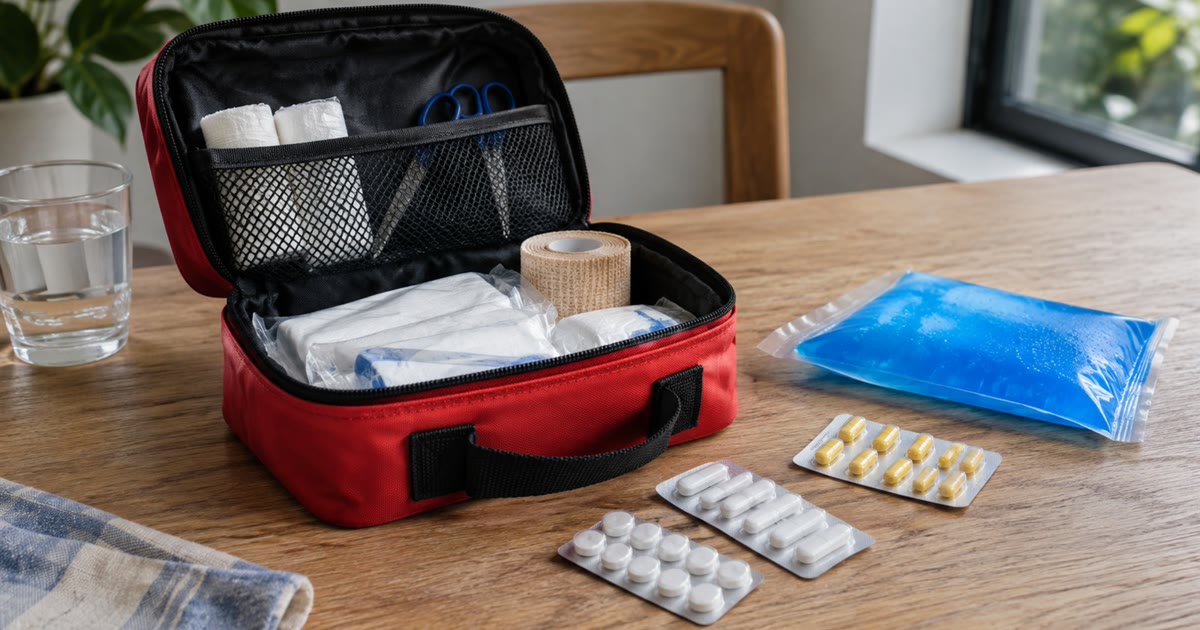
- Apply a cold compress to reduce swelling and pain.
- Take an oral antihistamine if itching or swelling is bothersome.
- Over-the-counter pain relief and hydrocortisone cream can help with discomfort.
Recognizing a severe allergic reaction
Anaphylaxis is a medical emergency with symptoms that can include: difficulty breathing or wheezing, swelling of the face, lips, tongue, or throat, widespread hives beyond the sting site, rapid pulse, dizziness or fainting, and nausea or vomiting. These symptoms typically develop within minutes of a sting in someone with a serious allergy, though timing can vary.
Using an epinephrine auto-injector
If the person has a prescribed epinephrine auto-injector (EpiPen or similar) and shows signs of anaphylaxis, use it immediately per the device instructions — don’t wait to see if symptoms improve on their own. Call emergency services right after, even if symptoms seem to improve, since a second wave of reaction (biphasic anaphylaxis) can occur after the epinephrine wears off.
When to seek medical care even without severe symptoms
- Multiple stings at once, which increases venom load even without a true allergy.
- A sting in or near the mouth or throat, where swelling could affect breathing regardless of allergy status.
- Known allergy history, even if current symptoms seem mild — reactions can worsen with each exposure.
- Any uncertainty — when in doubt, seeking evaluation is the safer choice.
Preventing stings
Avoid wearing strong fragrances or bright floral colors in areas with active insect populations, keep food and sugary drinks covered outdoors, and move away calmly from an insect rather than swatting, which can trigger defensive stinging behavior in the whole nearby colony for some species.
If you know you have a serious allergy
Carry a prescribed epinephrine auto-injector at all times if you have a known serious insect sting allergy, know how to use it before you need it, and make sure people around you (family, coworkers) know where it is and how to help if you can’t administer it yourself.
Frequently asked questions
How do I remove a bee stinger safely?
Scrape it out sideways with a fingernail or card rather than pinching, which can squeeze more venom into the skin.
What are the warning signs of a severe allergic reaction to a sting?
Difficulty breathing, swelling of the face or throat, widespread hives, dizziness, or rapid pulse — these require immediate emergency care.
Should I still call emergency services after using an EpiPen?
Yes, always, even if symptoms improve — a second reaction wave can occur after the epinephrine wears off.
Are multiple stings more dangerous even without an allergy?
Yes, multiple stings increase total venom load and can cause problems independent of true allergy status.
Should I carry an epinephrine auto-injector if I’ve had a mild reaction before?
Discuss this with a doctor — reactions can worsen with repeated exposure, so a prior mild reaction doesn’t guarantee future reactions will stay mild.
What should I do if a sting happens near the mouth or throat?
Seek medical care regardless of allergy status, since swelling in this area can affect breathing even without a true allergic reaction.
Bottom line
Treat typical stings with stinger removal, cold compress, and antihistamines — but recognize the warning signs of anaphylaxis and use an epinephrine auto-injector immediately if available, followed by emergency services regardless of apparent improvement.
Related guides
🎧 Best First Aid Kits
💅 How to Treat Snake Bites
💊 How to Treat a Wound in the Wild
This article is for general informational purposes only and is not medical advice. Seek immediate professional medical care for any signs of severe allergic reaction. Sources: American Red Cross sting and allergic reaction first aid guidance; CDC anaphylaxis recognition recommendations.