
This site stays free thanks to small commissions from links like the ones below — it never costs you anything extra, and it never changes what we recommend. As an Amazon Associate we earn from qualifying purchases. Learn more.
Burns are one of the most common household injuries, and a surprising number of people make them worse with outdated first aid myths — butter and ice are both bad ideas. This guide covers how to treat a burn safely, by severity.
Quick answer
Cool a burn with lukewarm to cool running water for 10-20 minutes — never ice, which can damage tissue further. Cover loosely with a clean, non-stick dressing. Seek emergency care for burns larger than 3 inches, burns on the face/hands/genitals, or any burn that looks white, charred, or leathery.
Recognizing burn severity
- First-degree (superficial): red, painful, no blistering — affects only the outer skin layer. Typical sunburn falls here.
- Second-degree (partial thickness): blistering, intense pain, red and swollen — affects deeper skin layers.
- Third-degree (full thickness): white, charred, or leathery appearance, which can look deceptively painless because nerve endings are damaged — this is always an emergency.
Treating minor burns (first and small second-degree)
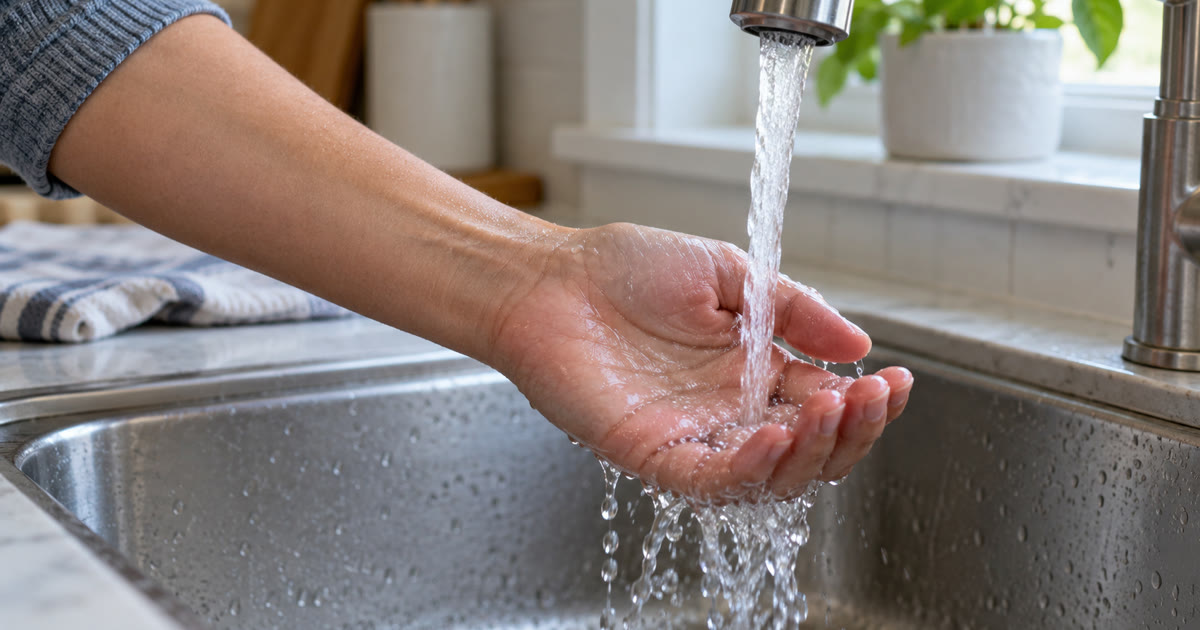
- Cool the burn under lukewarm to cool running water for 10-20 minutes — this is the single most effective first step.
- Remove any jewelry or tight clothing near the burn before swelling starts.
- Don’t pop blisters — intact blisters protect against infection.
- Cover loosely with a clean, non-stick dressing once cooled.
- Over-the-counter pain relief and aloe vera gel can help with discomfort for minor burns.
What never to do
- Never apply ice directly — it can cause frostbite-like damage on top of the burn injury.
- Never apply butter, oil, or toothpaste — these trap heat and increase infection risk, despite being common old home remedies.
- Never pop blisters — this increases infection risk significantly.
- Never apply ointment immediately to a severe burn before it’s been assessed — this can interfere with medical evaluation of depth and severity.
When a burn needs emergency care
- Any third-degree burn, regardless of size.
- Burns larger than 3 inches across.
- Burns on the face, hands, feet, groin, or major joints.
- Chemical or electrical burns, which can cause damage well beyond what’s visible on the skin surface.
- Any burn showing signs of infection during healing: increasing redness, pus, fever, or worsening pain after the first day or two.
Caring for a healing burn
Keep the area clean and covered during healing, watch for infection signs, and protect healed burn skin from sun exposure for an extended period, since it’s more vulnerable to UV damage. See our full first aid kit guide for the supplies worth having on hand for burn care.
Frequently asked questions
Should I put ice on a burn?
No, ice can cause additional tissue damage similar to frostbite. Use lukewarm to cool running water instead.
Is it safe to use butter or toothpaste on a burn?
No, despite being common home remedies, these trap heat against the skin and increase infection risk rather than helping.
Should I pop a burn blister?
No, intact blisters protect the burn from infection — leave them intact and seek medical care if a large blister needs to be managed.
How can I tell if a burn needs emergency care?
Size larger than 3 inches, location on the face/hands/feet/genitals, white or charred appearance, or chemical/electrical cause all warrant emergency evaluation.
Why do third-degree burns sometimes hurt less than second-degree burns?
Third-degree burns damage nerve endings, which can reduce pain sensation despite being the most severe burn type — this can be misleading about how serious the injury actually is.
How long should I run water over a burn?
10-20 minutes of lukewarm to cool running water is the recommended cooling time for most minor to moderate burns.
Bottom line
Cool a burn with running water, never ice or home remedies like butter, don’t pop blisters, and seek emergency care for large, deep, or facial/hand burns, or anything chemical or electrical in origin.
Related guides
🎧 Best First Aid Kits
💊 How to Treat a Wound in the Wild
🎧 How to Stop Severe Bleeding
This article is for general informational purposes only and is not medical advice. Seek professional medical care for serious burns. Sources: American Red Cross burn first aid guidance; American Burn Association treatment recommendations.