
This site stays free thanks to small commissions from links like the ones below — it never costs you anything extra, and it never changes what we recommend. As an Amazon Associate we earn from qualifying purchases. Learn more.
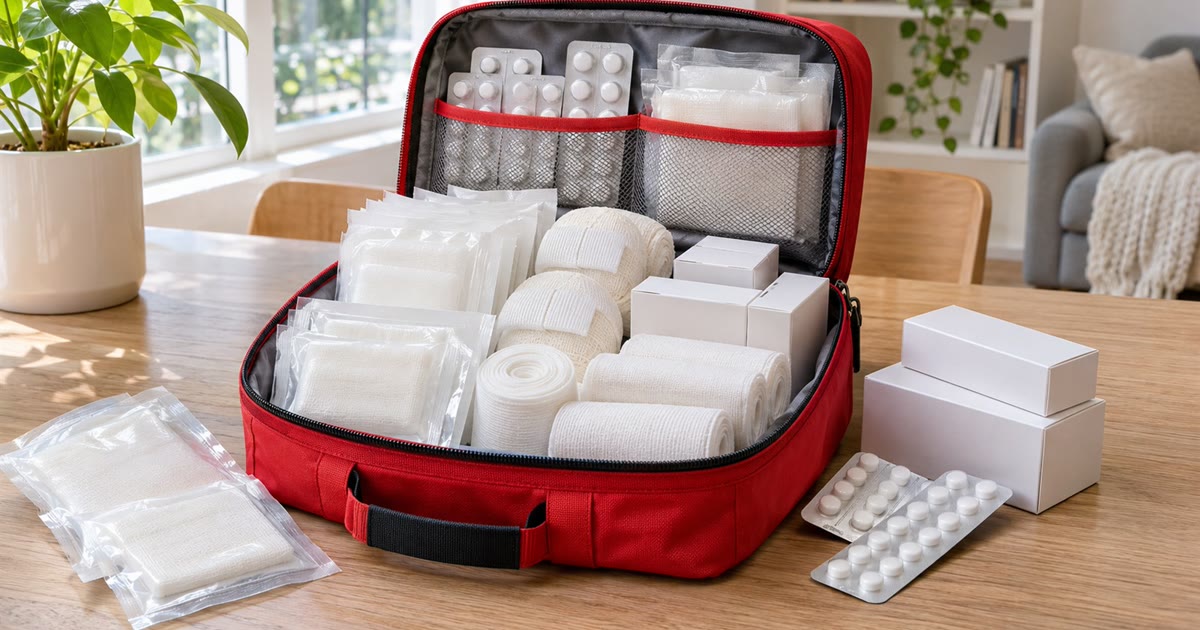
A well-stocked first aid kit gives false confidence if the supplies are expired, the person has never practiced using them, or the kit is missing items for the injuries actually most likely to happen. This guide covers common prepper first aid mistakes.
Quick answer
The most common mistakes are: stocking a kit but never checking expiration dates, having supplies without knowing how to use them, packing for dramatic scenarios while under-stocking common injuries like blisters and burns, and assuming the kit itself is a substitute for actual first aid knowledge.
Mistake: never checking expiration dates
Medications, ointments, and even some bandages degrade or expire — a kit assembled years ago and never revisited often has expired antiseptic, dried-out burn gel, and medication past its effective date. Check and rotate at least twice a year, treating it like any other perishable supply.
Mistake: supplies without skills
A tourniquet or suture kit is useless if you’ve never practiced using it — stress and adrenaline in a real emergency make unfamiliar tasks much harder than they seemed in calm practice. Take an actual first aid and CPR course, and practice specifically with any specialized items in your kit (tourniquets, chest seals) rather than just owning them.
Mistake: over-preparing for rare scenarios, under-preparing for common ones
Many kits are stocked for dramatic trauma scenarios (gunshot wounds, severe bleeding) while under-stocking what actually happens most often: blisters, minor burns, cuts, splinters, and allergic reactions. Both matter, but the common injuries deserve generous stock since you’ll use those supplies far more often.
Mistake: one kit for everyone
A single generic kit doesn’t account for individual medication needs, allergies, or specific conditions within a household. Supplement the main kit with any person-specific medications or supplies, and make sure anyone who might need to grab the kit knows what’s in it and where it’s kept.
Mistake: not knowing when to escalate
Knowing when a situation is beyond first aid and requires professional medical care matters as much as the first aid itself — delaying necessary emergency care because of overconfidence in home treatment can make outcomes worse. First aid buys time and stabilizes; it doesn’t replace actual medical treatment for serious injuries.
Mistake: ignoring mental state under stress
Real injuries happen with panic, blood, and chaos — nothing like the calm scenario of reading a first aid guide at home. Mentally rehearsing how you’d respond, not just owning supplies, meaningfully improves actual performance when it matters.
Frequently asked questions
How often should I check my first aid kit?
At least twice a year — check expiration dates on medication and ointments, and restock anything used or degraded.
Is owning a tourniquet enough preparation?
No, practicing its use beforehand matters significantly — stress in a real emergency makes unfamiliar tasks much harder than calm practice suggests.
What injuries are most commonly under-stocked in prepper kits?
Common ones like blisters, minor burns, and cuts are often under-stocked compared to how much attention goes toward rare dramatic trauma scenarios.
Should I take an actual first aid class?
Yes, a real course with hands-on practice builds skills that reading alone doesn’t provide, especially for anything beyond basic wound care.
How do I know when a situation needs professional medical care instead of first aid?
First aid buys time and stabilizes; if an injury seems serious, worsening, or beyond what you’re confident treating, seek professional care rather than relying solely on home treatment.
Should every household member have the same first aid supplies?
A shared main kit works, but supplement it with any individual medication needs or specific conditions, and make sure everyone knows where the kit is and what’s inside.
Bottom line
A first aid kit is only as good as its maintenance, your knowledge of how to use it, and whether it’s stocked for the injuries you’re actually likely to face — regular checks and real practice matter as much as what’s in the bag.
Related guides
🎧 Best First Aid Kits
💊 How to Treat a Wound in the Wild
🎧 How to Stop Severe Bleeding
This article is for general informational purposes only and is not medical advice. Sources: American Red Cross first aid training guidance; emergency medicine first aid preparedness recommendations.