
This site stays free thanks to small commissions from links like the ones below — it never costs you anything extra, and it never changes what we recommend. As an Amazon Associate we earn from qualifying purchases. Learn more.
Most home security is decided before anything happens — by how hard your house is to get into and how long a break-in takes. This guide covers home fortification that actually matters: the doors and windows burglars use, how to slow a forced entry, and how to prepare the house for storms, wildfire, and extended emergencies without turning it into a bunker.
Quick answer
Harden the entry points first: reinforce exterior door frames with longer screws and a strike-plate box, add a secondary lock, and secure sliding doors and ground-floor windows. Add layered deterrence — lighting, visibility, an alarm or camera, a dog or the signs of one. For disasters, focus on the envelope: roof, windows, and openings that fail in high wind or let embers in. You do not need bars on every window; you need every entry to take longer than a burglar will spend.
Think in layers, not walls
Security professionals talk about “defense in depth” — several modest barriers that each buy time and raise the chance of being seen or heard. In order, from the street inward:
- Deterrence: the house looks occupied, lit, and watched. Most burglars pick another target rather than risk it.
- Detection: motion lights, a doorbell camera, an alarm — something makes noise or records before entry is complete.
- Delay: doors, locks, and windows that take minutes, not seconds, to defeat.
- Safe room: one interior room (often a main bedroom) with a solid-core door, a deadbolt, a charged phone, and a flashlight, where the household gathers if someone does get in.
Doors: where most break-ins happen
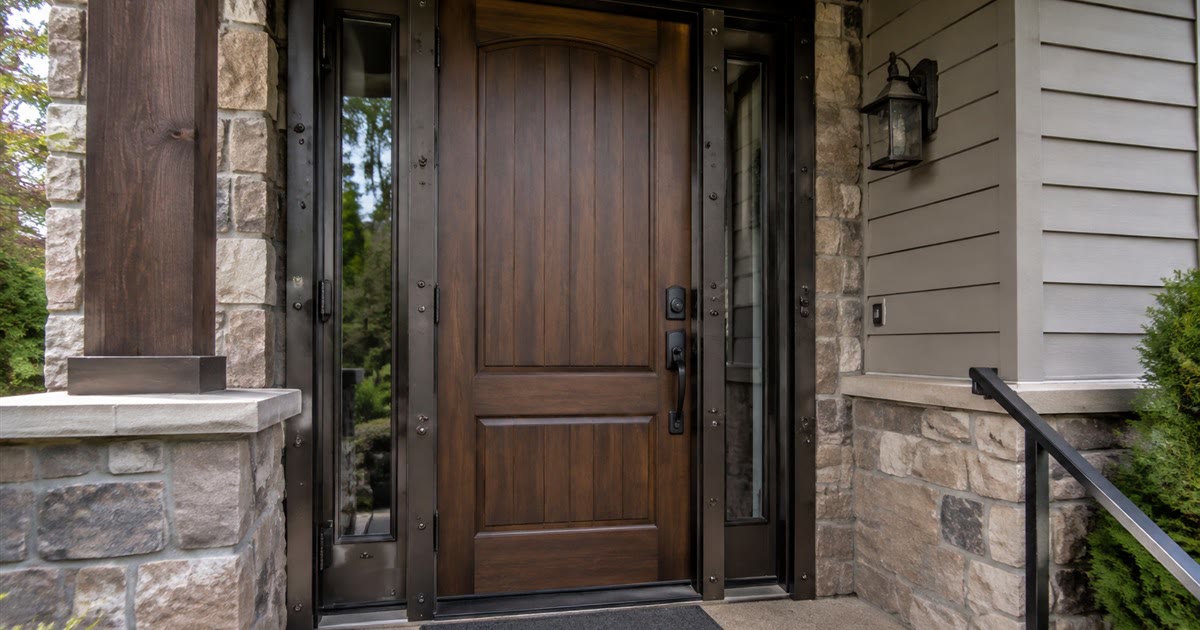
The majority of forced entries go through a door, and the failure point is almost never the lock — it is the frame and jamb, which are usually softwood held by half-inch screws. Fixes, cheapest first:
- Swap the strike-plate screws for 3-inch screws that reach the wall stud. Do the same on the hinges. This one change roughly doubles kick resistance and costs a few dollars.
- Install a strike-plate reinforcer or a full door-frame reinforcement kit that wraps the jamb in steel around the lock area.
- Use a solid-core or steel exterior door. Hollow doors split on the first or second hit.
- Add a second lock — a quality deadbolt with a 1-inch throw, or a surface-mounted rim lock — 8 to 12 inches from the primary lock so the force is spread.
- Cover glass near the handle. If a burglar can break a pane and reach the thumbturn, add a double-cylinder deadbolt (keyed both sides) only where fire code allows, or a security film, or a guard.
- Don’t forget the interior garage door. It is often the weakest door in the house and leads straight into the home once the garage is open.
Windows and sliding doors
- Sliding glass doors: drop a bar or a cut-to-length dowel in the track, add an anti-lift screw in the top track so the panel can’t be popped out, and consider a secondary foot-bolt lock.
- Ground-floor and basement windows: add sash locks or pin locks, and shatter-resistant security film on the most hidden windows. Film doesn’t stop a determined breach but turns a quiet reach-through into a loud, slow struggle.
- Landscaping: keep shrubs under window height so a burglar has nowhere to work unseen; gravel beds under windows are noisy to walk on.
Deterrence and detection
- Lighting: motion-activated LED floods on every approach, plus a couple of dusk-to-dawn lights so the house is never fully dark. A solar motion light covers spots with no wiring.
- Cameras and doorbell: a visible doorbell camera and one or two cameras covering the driveway and back door. The deterrent value is real; the footage helps afterward.
- Alarm: even a basic DIY system with door/window contacts and a loud siren. Burglars leave when noise starts.
- Signs of occupancy: a car in the drive, interior lights on timers, no packages piling up, no full mailbox when you travel.
- A dog — or a “beware of dog” sign and a large water bowl by the back door — ranks high in burglar interviews as a reason to skip a house.
Fortifying against disasters, not just people
For most households the bigger threat is weather. The house “envelope” is what fails:
- High wind / hurricane: install permanent anchors for plywood or buy fitted window protection panels; add hurricane straps or clips tying the roof to the walls; brace double garage doors, which are a common first failure. See our hurricane preparedness checklist.
- Wildfire: the house is usually lost to wind-blown embers, not a wall of flame. Screen every vent with 1/8-inch metal mesh, clear the roof and gutters of debris, keep a 5-foot non-combustible zone around the foundation, and move firewood and propane away from the walls.
- Flood: know your flood zone, move the furnace/water heater/electrical panel above expected levels if you can, keep sandbags or flood barriers if you’re near water, and install a battery backup for the sump pump.
- Winter: seal drafts, insulate exposed pipes, and know how to shut off the water main before a freeze. See our winter storm checklist.
Extended emergencies
If you may need to stay put for days or weeks without services, “fortification” shifts to sustaining the household: a way to secure the perimeter at night (locks, lighting, a watch routine if the situation warrants), stored water and a way to treat more, food that needs no cooking, off-grid light and power, sanitation, and a plan for who does what. Hardening the house only helps if the people inside can last inside it. See preparing for a long-term power outage.
A sensible order to do this in
- 3-inch screws in every exterior door strike plate and hinge (one afternoon, ~$15).
- Secondary lock on each exterior door; secure the garage entry door.
- Sliding-door bar and anti-lift screws; window locks on the ground floor.
- Motion floodlights on all approaches; a doorbell camera.
- Security film on hidden ground-floor windows; frame reinforcement kits on the main doors.
- Disaster envelope work for your region (wind, fire, flood, or freeze).
- Alarm system and a designated safe room.
Frequently asked questions
What is the weakest point of a house for a break-in?
The exterior door frame. Most doors are held by short screws in softwood trim, so the jamb splits when kicked, regardless of how good the lock is. Replacing strike-plate and hinge screws with 3-inch screws that reach the stud, and adding a frame reinforcement kit, is the highest-value upgrade.
Do security window films actually stop intruders?
They don’t make glass unbreakable, but they hold shattered glass together so a quick, quiet reach-through becomes a loud, slow struggle that many intruders abandon. Films are most useful on hidden ground-floor and basement windows, paired with sash or pin locks.
How can I make my house look occupied while I’m away?
Put interior lights and a radio or TV on variable timers, stop mail and package delivery or have a neighbor collect them, keep a car in the driveway, arrange for snow or lawn care to continue, and ask someone to vary the look of the house day to day.
Is it worth putting bars on windows?
Usually not for the whole house. Bars help on a few specific vulnerable openings like a basement or alley-facing window, but any bedroom window used as a fire escape must have a quick-release mechanism, and bars change the look and light of a home more than most people want.
What should a home safe room have?
A solid-core door with its own deadbolt and reinforced frame, a charged mobile phone or landline, a flashlight, and ideally a way to communicate with people outside. It is a place to wait safely for police, not a fighting position.
What’s the single cheapest security upgrade?
Swapping the short screws in your door strike plates and hinges for 3-inch screws. It costs a few dollars, takes minutes, and roughly doubles how much force the door can take before the frame fails.
Bottom line
You are not trying to make the house impregnable — you are trying to make every way in take longer, look riskier, and make more noise than an intruder will accept, and to keep the building intact through the weather your region actually gets. Start with door frames and locks, add light and eyes, then harden the envelope for your local hazards.
Related guides
🏗️ Hurricane Preparedness Checklist
❄️ Winter Storm Preparedness Checklist
🔌 How to Prepare for a Long-Term Power Outage
This article is for general informational purposes only. Sources: FEMA and Ready.gov home-mitigation guidance; Insurance Institute for Business & Home Safety (IBHS) FORTIFIED standards; NFPA Firewise USA home-hardening recommendations; published law-enforcement burglary-prevention guidance.