
This site stays free thanks to small commissions from links like the ones below — it never costs you anything extra, and it never changes what we recommend. As an Amazon Associate we earn from qualifying purchases. Learn more.
Sanitation gets overlooked in most emergency planning until plumbing actually stops working — and at that point, improvising badly creates real health risks on top of whatever disaster already happened. This guide covers DIY emergency toilet options.
Quick answer
A bucket toilet system with heavy-duty liner bags and an absorbent/odor-control material (kitty litter or specific waste treatment powder) handles most short-to-medium term scenarios safely, while a designated outdoor latrine works for longer-term situations with more space and less frequent movement.
Bucket toilet systems
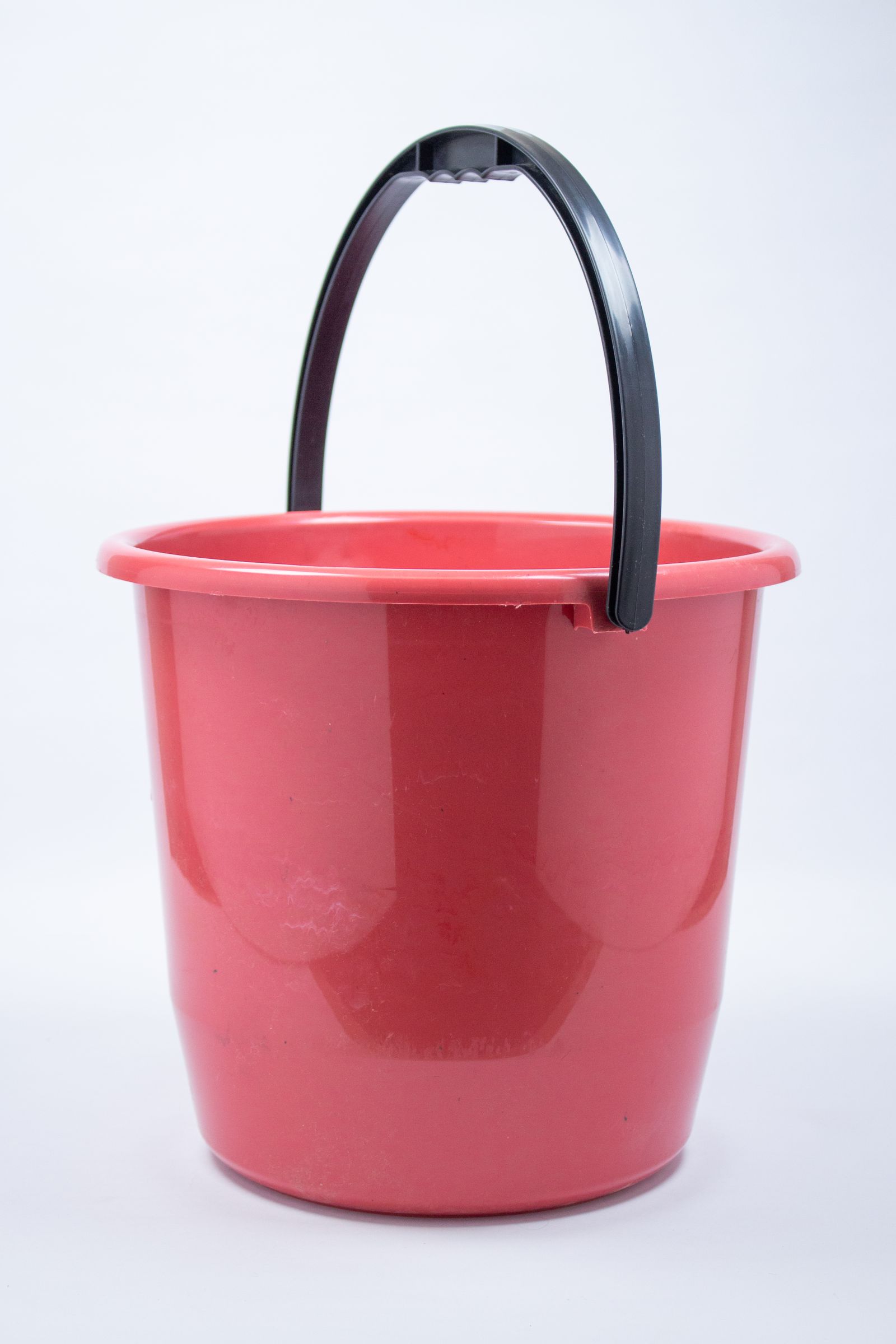
A simple plastic bucket is the base of a DIY toilet system — add a liner, seat, and absorbent material.
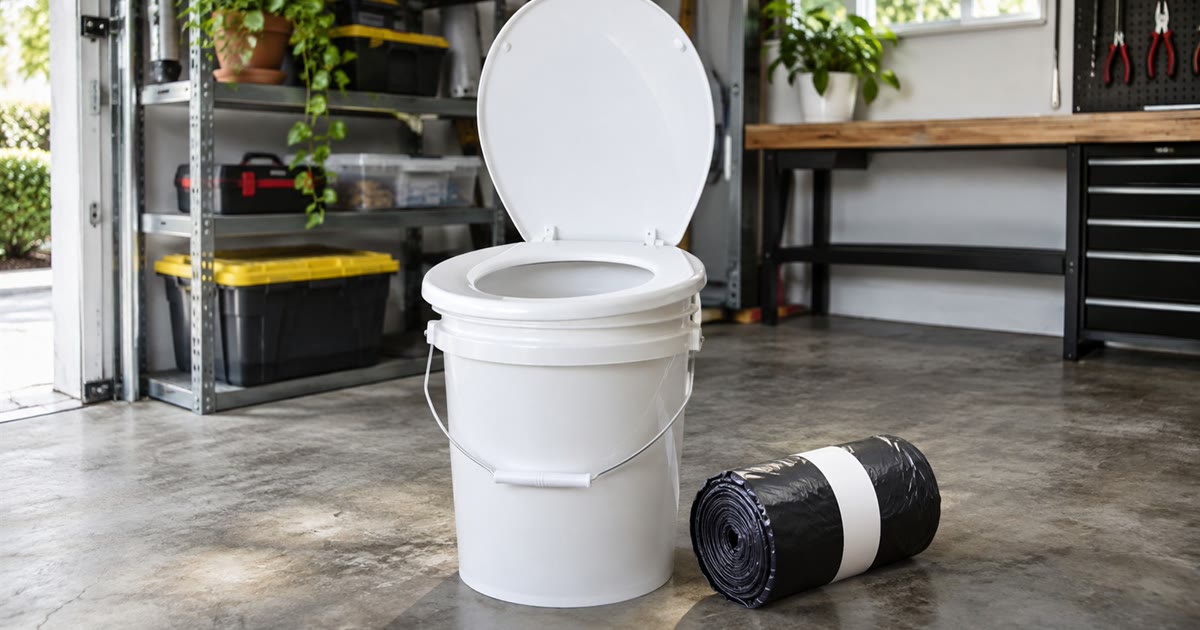
A sturdy 5-gallon bucket lined with a heavy-duty bag, topped with a snap-on toilet seat lid, creates a functional indoor toilet when plumbing isn’t working. Add an absorbent material after each use (kitty litter, sawdust, or a commercial waste treatment powder) to control odor and begin breaking down waste. Seal and dispose of bags according to local guidance once full — don’t let waste accumulate indoors.
Why plumbing fails during disasters
Toilets can stop working for reasons beyond just power loss — water pressure loss, sewer line damage, or a boil-water notice affecting the water you’d use to flush all make a working toilet temporarily unusable even with the structure itself intact. Understanding this helps you recognize when a backup system is actually needed versus just inconvenient.
Outdoor latrine basics
For longer-term situations with more available space, a dug latrine (a trench or pit, located well away from any water source — at least 200 feet is a common guideline) with proper covering after each use reduces odor and pest issues. Cover material (dirt, ash) after each use, and relocate the latrine periodically for extended use.
Hygiene considerations
- Hand sanitizer or soap and water access near the toilet setup, used consistently after each use.
- Keeping waste disposal separate from food preparation and water storage areas.
- Proper disposal of waste bags according to local emergency guidance — don’t simply discard with regular trash if guidance specifies otherwise during a widespread disaster.
Supplies worth stocking in advance
Heavy-duty bags rated for this use, a supply of absorbent material, toilet paper, and hand sanitizer should be part of general emergency supplies, not something you discover you’re missing only once plumbing actually fails. See our emergency food supply guide for the broader household stocking approach this fits into.
Privacy and dignity considerations
A simple privacy screen or tent, even improvised from a tarp, matters for psychological comfort during an extended situation — sanitation planning that ignores dignity tends to get abandoned under stress, undermining the whole system’s hygiene benefits.
Frequently asked questions
Why would toilets stop working even if the house itself is fine?
Water pressure loss, sewer line damage, or a boil-water notice affecting flush water can all make a working toilet temporarily unusable.
What material should I use to control odor in a bucket toilet?
Kitty litter, sawdust, or a commercial waste treatment powder added after each use controls odor and begins breaking down waste.
How far from water sources should an outdoor latrine be?
At least 200 feet is a common guideline to prevent contamination of water sources.
Should I stock toilet supplies in advance?
Yes, heavy-duty bags, absorbent material, and hygiene supplies should be part of general emergency stocking, not discovered missing during an actual failure.
How should I dispose of waste bags from a bucket toilet system?
Follow local emergency guidance for disposal, which may differ from normal trash disposal during a widespread disaster.
Does privacy really matter for an emergency toilet setup?
Yes, a simple privacy screen improves psychological comfort and makes the hygiene system more likely to actually be used consistently.
Bottom line
A bucket toilet system with proper liner bags and odor control handles most short-term scenarios, while an outdoor latrine suits longer-term needs — stock the necessary supplies in advance and don’t overlook hygiene and privacy considerations.
Related guides
💧 Best Water Storage Containers
🏠 How to Make a Family Emergency Plan
⚠️ How to Prepare for a Tornado
This article is for general informational purposes only. Follow local health and emergency management guidance for waste disposal during an actual disaster. Sources: CDC emergency sanitation guidance; FEMA disaster sanitation recommendations.