
This site stays free thanks to small commissions from links like the ones below — it never costs you anything extra, and it never changes what we recommend. As an Amazon Associate we earn from qualifying purchases. Learn more.
A tornado can form and strike with very little warning, and the difference between a close call and a tragedy often comes down to knowing exactly where to go and acting fast. This guide covers how to prepare for a tornado.
Quick answer
Know the difference between a watch (conditions favorable) and a warning (tornado spotted or indicated by radar — act now), identify your safe room in advance (basement or interior room on the lowest floor, away from windows), and keep emergency supplies accessible there. Have a way to receive alerts that doesn’t depend solely on your phone.
Watch vs. warning
A tornado watch means conditions are favorable for tornado formation in your area — stay alert and review your plan, but normal activity can continue. A tornado warning means a tornado has been spotted or indicated by radar — take shelter immediately, this is not a time to wait and see.
Identifying your safe room
A basement is ideal if available. Without one, choose an interior room on the lowest floor, away from windows and exterior walls — a bathroom or closet often works well due to additional wall layers. Avoid rooms with large windows or exterior walls regardless of floor level.
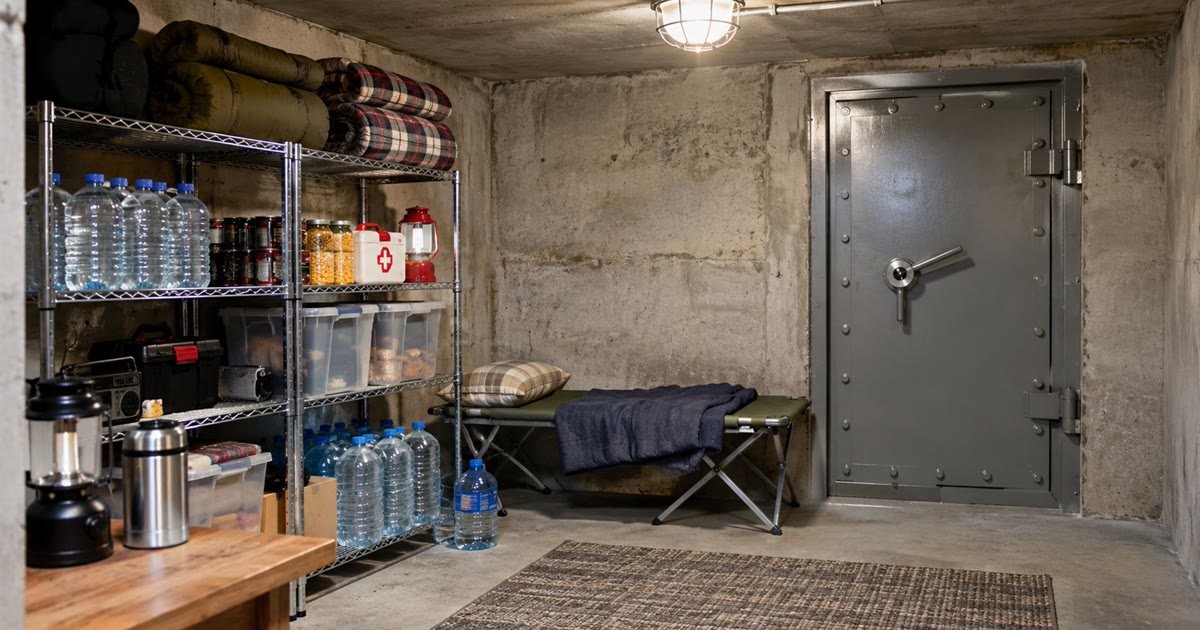
What to keep in your safe room
- A battery or hand-crank weather radio for updates if power or cell service fails.
- A flashlight and phone charger/power bank.
- Sturdy shoes — broken glass and debris are common after a tornado passes, and bare feet are a real injury risk.
- A helmet or thick cushion to protect your head if available — head injuries from debris are a leading cause of tornado-related harm.
Getting alerts reliably
Don’t rely solely on your phone for warnings — cell towers can fail during severe weather, and warnings can come at any hour including while sleeping. A NOAA weather radio with a tone-alert feature wakes you specifically for warnings without needing to monitor it constantly.
Mobile homes and vehicles
Mobile homes offer little protection in a tornado — if you live in one, identify a nearby sturdy building or designated community shelter in advance, since staying in a mobile home during a tornado is genuinely dangerous. If caught in a vehicle, getting to a sturdy building is safer than staying in the car; a low ditch away from the vehicle is a last resort if no building is reachable.
After the tornado passes
Watch for downed power lines and gas leaks before moving through debris. Wear sturdy shoes and gloves when inspecting damage. Check on neighbors if it’s safe to do so — community response often arrives before official emergency services in widespread damage situations.
Frequently asked questions
What’s the difference between a tornado watch and a warning?
A watch means conditions are favorable for tornado formation; a warning means a tornado has been spotted or indicated by radar and requires immediate shelter.
Where’s the safest place in a house without a basement?
An interior room on the lowest floor, away from windows and exterior walls — a bathroom or closet often works well due to additional wall layers.
Why shouldn’t I rely only on my phone for tornado warnings?
Cell towers can fail during severe weather, and a NOAA weather radio with tone-alert can wake you specifically for warnings at any hour.
Is it safe to shelter in a mobile home during a tornado?
No, mobile homes offer little protection — identify a nearby sturdy building or community shelter in advance if you live in one.
What should I do if caught in a vehicle during a tornado?
Get to a sturdy building if possible; a low ditch away from the vehicle is a last resort if no building is reachable.
What should I watch for after a tornado passes?
Downed power lines and gas leaks before moving through debris, and wear sturdy shoes and gloves when inspecting damage.
Bottom line
Know your safe room in advance, keep emergency supplies there, have a reliable way to receive warnings that doesn’t depend on your phone alone, and act immediately on a warning rather than waiting to see what happens.
Related guides
⚠️ Earthquake Preparedness
🏠 Basement Shelter Room Basics
🏠 How to Make a Family Emergency Plan
This article is for general informational purposes only. Sources: National Weather Service tornado safety guidance; FEMA tornado preparedness recommendations.