
This site stays free thanks to small commissions from links like the ones below — it never costs you anything extra, and it never changes what we recommend. As an Amazon Associate we earn from qualifying purchases. Learn more.
Freeze-dried and dehydrated emergency food brands vary significantly in actual shelf life, taste, and nutritional completeness despite similar marketing claims. This guide covers what to look for in best survival food brands.
Quick answer
Look for independently verified shelf-life claims (25-30 years is standard for reputable freeze-dried brands), check actual calorie and protein content per serving rather than just serving count, and read ingredient lists for real nutritional variety rather than relying entirely on carb-heavy fillers.
Freeze-dried vs. dehydrated
Freeze-drying removes moisture through a vacuum-freezing process that better preserves texture, flavor, and nutritional content than standard dehydration, which uses heat. Freeze-dried products typically cost more but rehydrate closer to their original texture, making them more palatable for long-term reliance.
Reading nutritional claims critically
“Serving” sizes vary significantly between brands — some count genuinely filling portions while others define a serving at a calorie level too low for actual sustained activity. Check calories and protein per serving specifically, not just the total serving count on the package, which can make a product look like better value than it actually is.
Shelf life claims
Reputable brands provide 25-30 year shelf life claims backed by actual testing, typically for products stored in proper conditions (cool, dry, stable temperature) in their original sealed packaging. Be skeptical of claims significantly longer than this without clear testing backing, and note that once opened, shelf life drops dramatically regardless of the original packaged claim.
Variety and nutritional completeness
A stockpile that’s entirely carb-heavy meals (pasta, rice dishes) without adequate protein and fat sources creates real nutritional gaps during extended reliance. Look for brands offering genuine variety across meal types, and consider supplementing with separately stored protein sources if a brand’s lineup skews heavily toward one macronutrient.
Taste testing before stockpiling heavily
Buy a small sample of any brand before committing to a large bulk purchase — taste and texture preferences vary significantly, and discovering you dislike a food during an actual emergency when morale already matters is a bad time to find out. This is especially true for larger households where picky eaters (including kids) need food they’ll actually eat.
Bucket vs. individual pouch purchasing
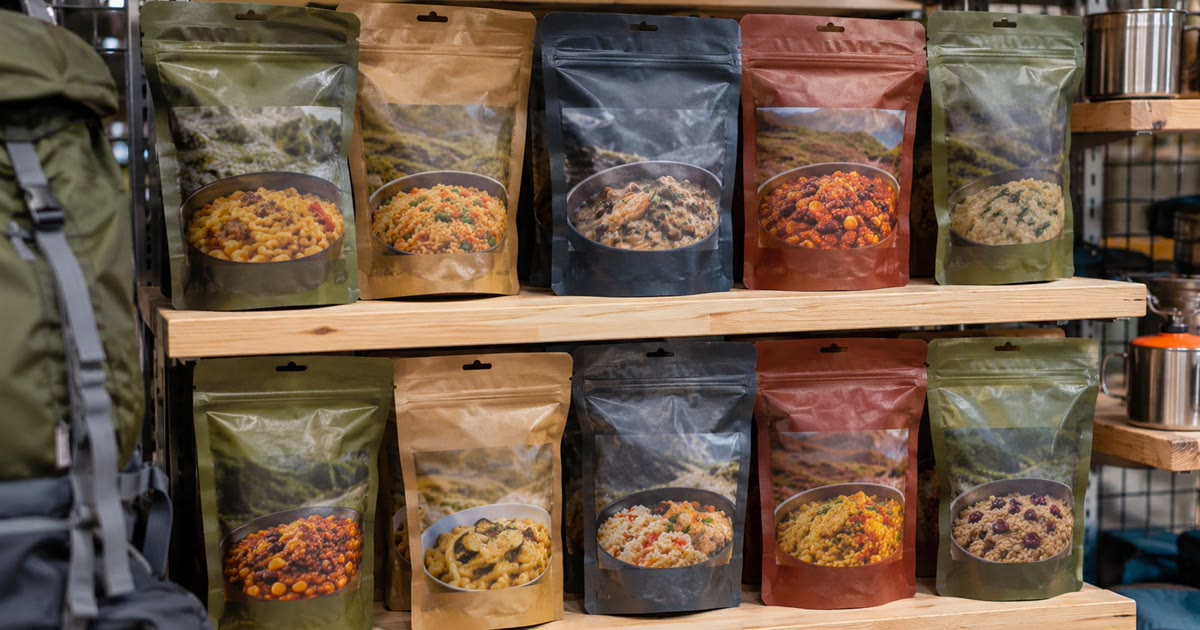
Bulk buckets offer better per-serving cost but commit you to a larger quantity of fewer meal varieties. Individual pouches or smaller multi-meal packs cost more per serving but let you build a more varied, tested stockpile incrementally.
Frequently asked questions
Is freeze-dried food better than dehydrated?
Generally yes for texture, flavor, and nutritional preservation, though freeze-dried products typically cost more than dehydrated equivalents.
How accurate are 25-30 year shelf life claims?
Reputable brands back these claims with actual testing under proper storage conditions — be skeptical of claims significantly longer without clear backing.
Should I buy one brand in bulk or several brands in smaller quantities?
Testing smaller quantities from multiple brands before committing to bulk purchases helps ensure you’re stockpiling food your household will actually eat.
Why does serving size matter when comparing brands?
Serving definitions vary significantly between brands — checking actual calories and protein per serving avoids comparing products on misleading terms.
Does shelf life change once a package is opened?
Yes, dramatically — once opened, exposure to air and moisture significantly shortens practical shelf life regardless of the original sealed claim.
What’s the biggest nutritional gap in typical survival food stockpiles?
Many stockpiles skew heavily toward carbohydrate-based meals without adequate protein and fat, which creates real nutritional gaps during extended reliance.
Bottom line
Check actual calorie and protein content per serving, verify shelf-life claims are backed by real testing, prioritize nutritional variety over carb-heavy convenience, and taste-test before committing to bulk purchases.
Related guides
🍟 How to Build an Emergency Food Supply
🍅 Best Emergency Food Kits
⏱️ How Long Does Canned Food Last?
This article is for general informational purposes only. Product availability, pricing, and specifications change; check current listings. Sources: manufacturer shelf-life testing data; USDA nutritional guidance for emergency food planning.