
This site stays free thanks to small commissions from links like the ones below — it never costs you anything extra, and it never changes what we recommend. As an Amazon Associate we earn from qualifying purchases. Learn more.
Most winter home emergencies — frozen pipes, ice dams, a cold house during an outage, a stuck furnace — are cheaper to prevent in October than to fix in January. This is a complete checklist to winterize your home before the first hard freeze.
Quick answer
Do it in this order: service the heating system, seal drafts and insulation gaps, protect pipes and outdoor fixtures, check the roof and gutters, and stage a winter emergency kit for the house and car. Most of this is a weekend’s work spread over a few weekends in October, well before the first real cold snap.
1. Heating system
- Have a furnace/boiler serviced and the chimney or flue inspected and swept if you have one.
- Replace furnace filters; stock a couple of spares.
- Test smoke and carbon monoxide detectors and replace batteries.
- Bleed radiators if you have hot-water heat, and check that vents/registers aren’t blocked by furniture.
- Confirm your backup heat plan and gear are ready — see portable heater picks.
2. Seal drafts and add insulation
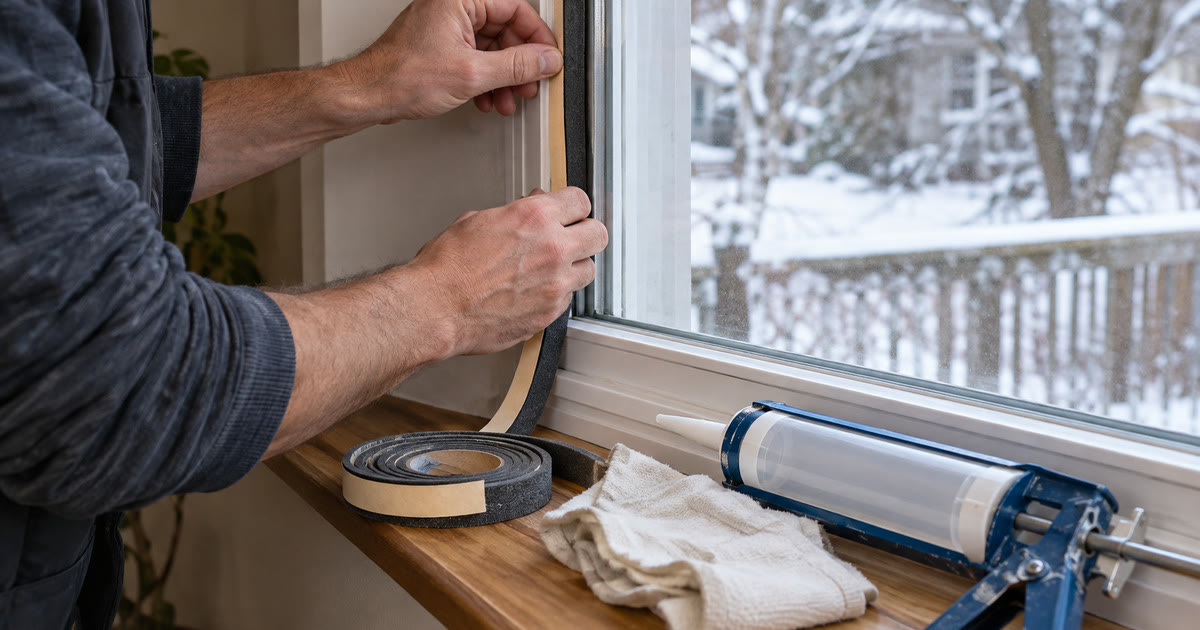
- Weatherstrip exterior doors and add a draft stopper at the bottom.
- Caulk window frames and gaps where pipes, cables, and vents pass through exterior walls.
- Add or top up attic insulation, and seal attic air leaks — this is also the main fix for ice dams. See our ice dam prevention guide.
- Switch to heavier curtains on cold-facing windows, or add window insulation film.
- Reverse ceiling fans to clockwise (low speed) to push warm air back down from the ceiling.
3. Pipes and outdoor fixtures
- Insulate exposed pipes in the attic, crawlspace, basement, and garage.
- Disconnect garden hoses, drain and shut off outdoor spigots at an interior valve if you have one.
- Know where your main water shutoff valve is and confirm it turns.
- Full details in our frozen pipe prevention guide.
4. Roof, gutters, and exterior
- Clean gutters and downspouts so meltwater has somewhere to go.
- Trim tree branches that could snap and hit the roof or power lines under snow/ice load.
- Check the roof for loose or damaged shingles before they’re hidden under snow.
- Store or cover outdoor furniture and equipment; drain the lawnmower and other small-engine fuel or add stabilizer.
5. Emergency kit and supplies
- Build or refresh a home emergency kit: water, shelf-stable food, flashlights, batteries, a battery/crank radio. See our power outage prep guide.
- Stage rock salt or ice melt, a snow shovel, and an ice scraper somewhere accessible — not buried in the back of the garage.
- Put together or check a winter bug-out bag and a winter car kit.
- Stock chemical hand/body warmers and extra blankets.
- Confirm any backup heat source (propane heater, wood stove, fireplace) is clean, functional, and you have fuel.
6. Documents and plans
- Review your family emergency communication plan and update contact info.
- Confirm homeowner’s/renter’s insurance covers winter-specific risks (burst pipes, ice dam damage, roof collapse) and photograph valuables for records.
- If you rely on medical equipment or refrigerated medication, plan for a power outage now — see emergency planning for medical and mobility needs.
Timing: when to do this
Aim to finish this list by late October to mid-November in most of the U.S., before the first hard freeze in your region. Heating system service in particular books up fast once cold weather actually arrives — scheduling it in September or October avoids the rush and gets problems fixed before you need the heat.
Frequently asked questions
When should I winterize my house?
Aim to complete winterizing tasks by late October to mid-November in most U.S. climates, before the first hard freeze. Scheduling furnace service early avoids the seasonal rush, when technicians are booked solid once cold weather hits.
What is the most important winterizing task?
Servicing the heating system and sealing attic air leaks, since a working furnace prevents most winter emergencies outright, and stopping heat loss into the attic is the main fix for both high heating bills and ice dams.
How much does it cost to winterize a home?
Costs vary widely, but the highest-value items are inexpensive: weatherstripping, caulk, and pipe insulation cost well under $100 total and prevent the most common and expensive winter damage, which is frozen or burst pipes.
Do I need to winterize if I have central heat?
Yes. Central heat reduces but doesn’t eliminate risk from a power outage, a furnace failure, or an unheated space like a garage or crawlspace. Pipe insulation, attic sealing, and a backup heat plan matter even with a reliable furnace.
Should I drain outdoor pipes even if I don’t expect a hard freeze?
Yes, as a low-cost precaution. Disconnecting hoses and draining outdoor spigots takes minutes and prevents a burst outdoor line, which can be expensive and easy to miss until it causes damage.
What should be in a home winter emergency kit?
Stored water and shelf-stable food, flashlights and batteries, a battery or crank radio, blankets and warm clothing, a backup heat source with fuel, and a way to charge phones without power. See our full power outage preparedness guide for the complete list.
Bottom line
Winterizing is mostly cheap prevention done early: service the furnace, seal and insulate, protect pipes, check the roof, and stage supplies before the first freeze. A weekend or two in October saves far more time, money, and stress than dealing with a burst pipe or a cold house in January.
Related guides
🛀 Prevent and Thaw Frozen Pipes
🏢 Ice Dam and Roof Snow Load Safety
❄️ Winter Storm Preparedness Checklist
This article is for general informational purposes only. Sources: U.S. Department of Energy home winterization guidance; Ready.gov winter weather preparedness; Insurance Institute for Business & Home Safety (IBHS).